From Victim to Witness
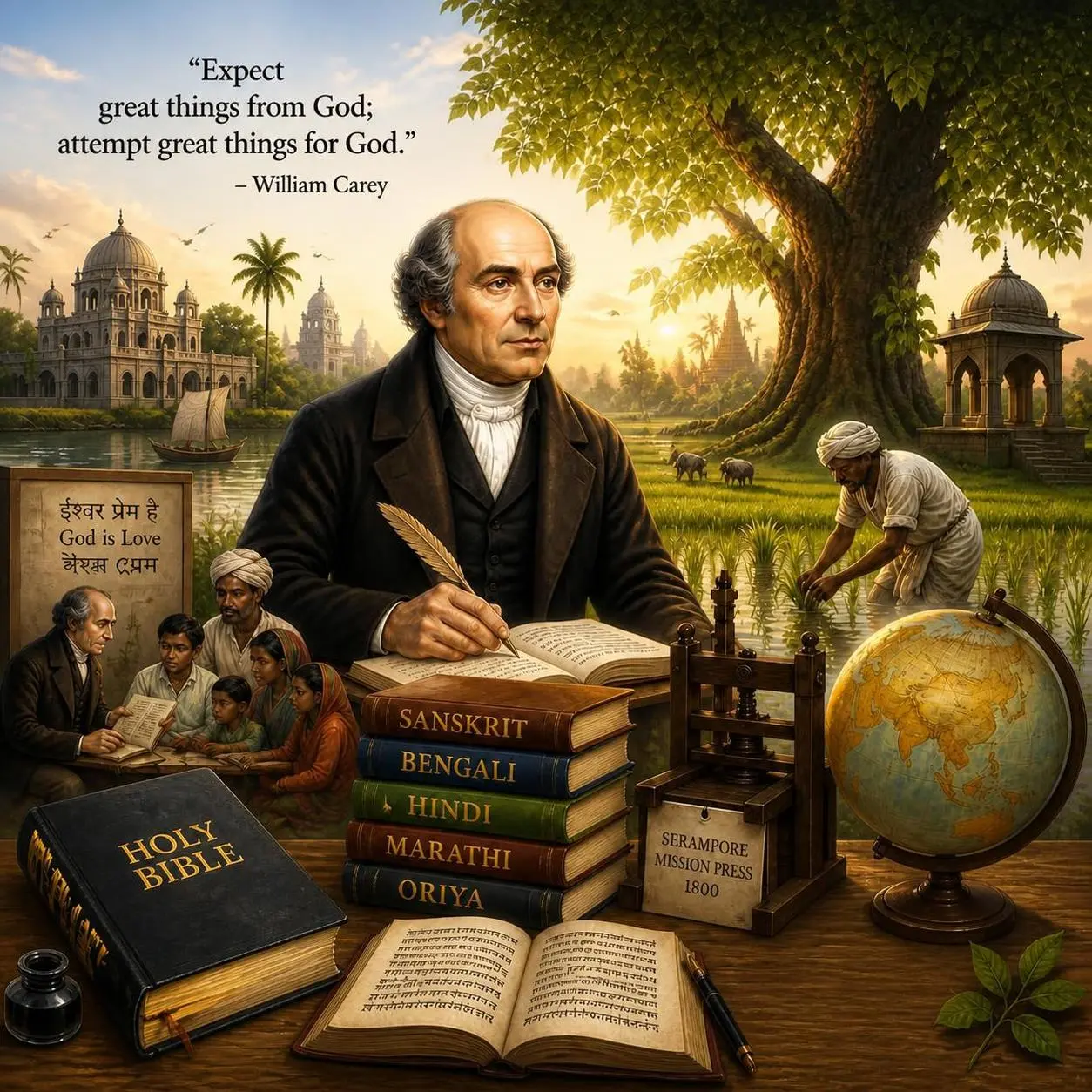
William Carey, often referred to as the father of modern missions, was a man whose life was a testament to resilience, faith, and profound suffering. Born in 1761 in rural England, Carey emerged from a modest background to become a pioneering missionary, linguist, and social reformer in India. However, behind the influential figure was a man who endured significant suffering — a journey that shaped not only his character but also the impact he would ultimately have on the world.
As I reflect on Carey's journey, I can't help but admire people who rise above their personal tragedies to effect change in the lives of others. Carey's life was rife with challenges that forge the very essence of his spirit.
Heartbreak and Loss
One of the most profound aspects of Carey's life was the heartbreak he faced with the loss of loved ones. He married Dorothy in 1781, and together they set out on a shared mission to spread faith and education. However, their lives were not spared from tragedy. Dorothy struggled with mental health issues, a burden compounded by the isolation of their missionary life. Her eventual death in 1807 left a gaping hole in Carey's heart, one that would echo throughout the rest of his life.
Losing a partner is a unique kind of suffering; it often makes one question purpose and meaning. I can only imagine how much Carey must have grappled with despair as he mourned not only the love of his life but also the dreams they had built together. Yet, in the wake of this grave loss, Carey did not falter. Instead, he turned his pain into purpose.
Physical suffering
Carey’s physical suffering was equally daunting. His health deteriorated in India due to various illnesses he had throughout his missionary work. Yet, even in suffering, he found a sense of purpose. Battling fever and dysentery, Carey continued to translate the Bible into multiple Indian languages. I have always been struck by how such physical hardships could lead a lesser spirit to surrender. In contrast, Carey saw these challenges as obstacles to overcome rather than insurmountable barriers.
His tenacity in the face of illness serves as a reminder of how challenging situations can fuel our resolve to create change. The act of translating the Scriptures while grappling with his own health issues showcases a remarkable dedication, influenced in no small part by his own experiences of suffering.
Cultural Opposition
Carey also faced societal oppression, which added another layer of suffering to his already challenging life. His presence in India was met with resistance from both the British colonial government and segments of the local population. The cultural divide was immense, and he often found himself at odds with prevailing attitudes towards education and religion.
A lesser person might have succumbed to this cultural hostility, yet Carey persisted. I find it incredibly inspiring how he remained unwavering in his advocacy for social reform — opposing the caste system and female infanticide despite the risks. The fear of backlash did not deter him; rather, it strengthened his resolve. The weight of societal rejection can be crushing, yet Carey turned this suffering into a catalyst for meaningful change.
Finding Purpose in Pain
In reflecting on Carey's life, I see a complex tapestry woven from suffering and resilience. Each heartbreak, each illness, and each societal challenge contributed to a rich legacy that continues to inspire countless individuals. His journey is a profound illustration that suffering, while painful, can also propel us toward greatness.
Carey’s ability to channel grief, illness, and societal rejection into a life dedicated to serving others resonates deeply with me. It encourages me to consider how I face my own challenges — whether in personal life or professional pursuits. Just as Carey grew through his suffering, so too can we find profound meaning in our own trials.
What can we learn?
William Carey was not just a man who suffered; he was a figure who exemplified how to transform suffering into a powerful force for good. His life reminds us that while we may endure pain and hardship, there is the potential for resilience that can shape not only our own destinies but also the lives of countless others. In our darkest moments, may we find courage as Carey did — to rise, to serve, and to inspire hope in the face of despair.
Takeaways
- Resilience: Carey's journey demonstrates remarkable strength in overcoming personal and social challenges.
- Heartbreak and Loss: The death of his wife, Dorothy, profoundly impacted him, yet he turned this grief into a source of motivation.
- Physical Suffering: Despite significant health issues, he persevered, translating the Bible into several languages.
- Cultural Opposition: He faced societal resistance but remained committed to advocating for social reforms against oppressive customs.
Reflection questions
- How do we transform personal tragedies into sources of strength and purpose?
- In what ways can adversity shape our character and drive us to effect change?
- What strategies can we employ to confront and challenge cultural or societal opposition in our pursuits?
- How can we learn from Carey's legacy to find resilience and hope in our darkest moments?